

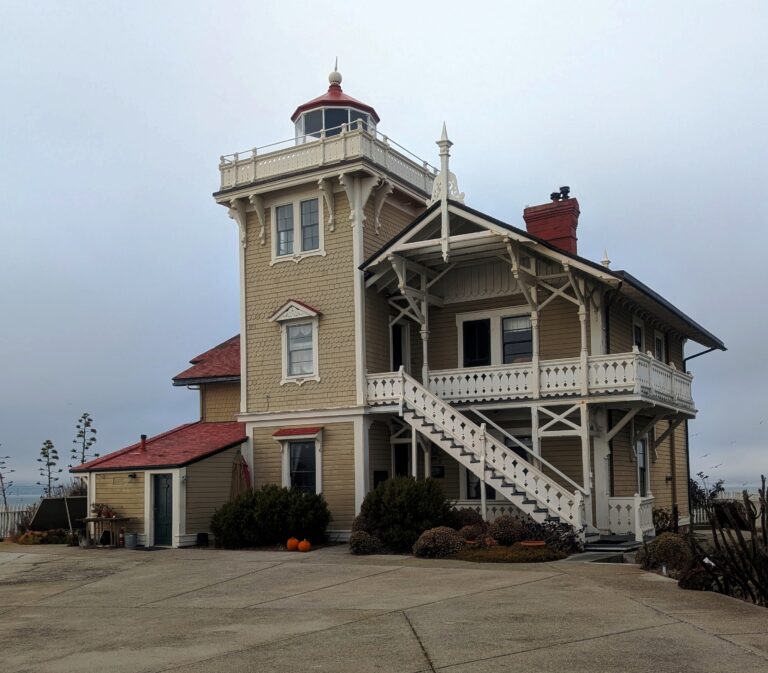
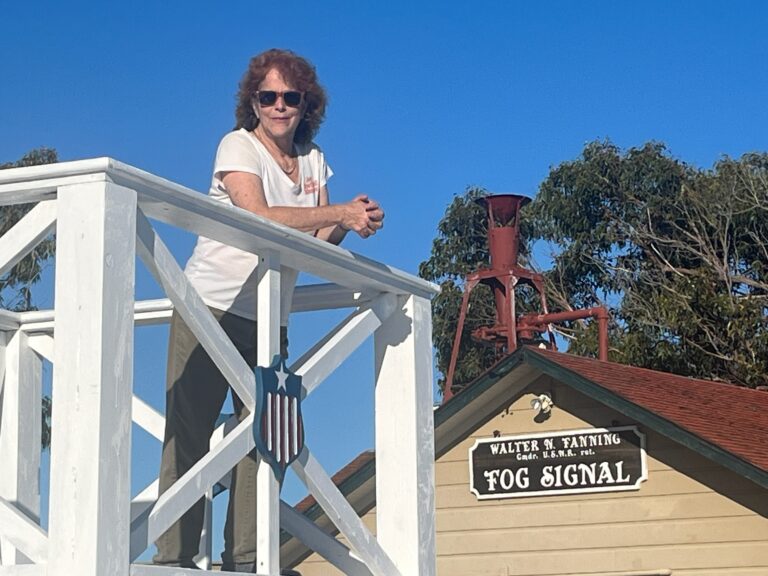
At last, after decades of dreaming, this bucket list item is crossed off. Celebrating our 5th wedding anniversary a two-night stay was the perfect gift. We had no idea what to expect. We can honestly say it was more than we ever imagined. This one-of-a-kind bed-and-breakfast inn is only accessible by boat from Point San Pablo Harbor. Open year-round, access occasionally is unavailable due to weather, tides, and power outages.
Panoramic vistas from East Brother Light Station (EBLS) include sweeping views of the strait separating San Francisco and San Pablo bays, San Rafael Bridge, San Francisco skyline, and Marin, Contra Costa, and San Francisco counties. Across the way, separated by a narrow strait, is West Brother Island, East Brother’s sibling. Passing freighters and ferries are part of the magic.
The tides were in our favor; boat trips to and from the island were comfortable. High tides and rough conditions can prevent passage from the mainland to East Brother, in which case, reservations might be cancelled. Guests are told this going in; fingers-crossed is always important. We enjoyed the most perfect autumn weather. So, that was an absolute stroke of luck.
Innkeepers Danielle and Rae (who were seven months new to this gig) are/were incredible hosts, tour guides, chefs, and comics. We were the only guests who stayed two nights, and pleased that we opted for the continued solitude and starry skies. From our second-story room, we relished the beautiful view of West Brother Island and the raucous comings and goings of the island birds. Delicious breakfasts, happy hours, and dinners provided ample sustenance. A small communal refrigerator stores snacks and beverages that lodgers are welcome to bring. We enjoyed the company of other guests, many Bay Area locals, and some from San Diego and Illinois. If you’re a wildlife and nature lover, put this at the top of your list. Not only a wide range of birds, but also Harbor Seals, Sea Lions, and Harbor Porpoise were seen during our visit.
Maintenance at East Brother is a herculean task. The biggest challenge right now is raising $700,000 to replace the gangway and pier platform where guests disembark and embark. The EBLS non-profit also has a new program collaborating with organizations serving young people and underserved communities. In hopes of securing more grants for island repairs, these trips will be at no cost to the partners. Otherwise, the island is only available to guests.
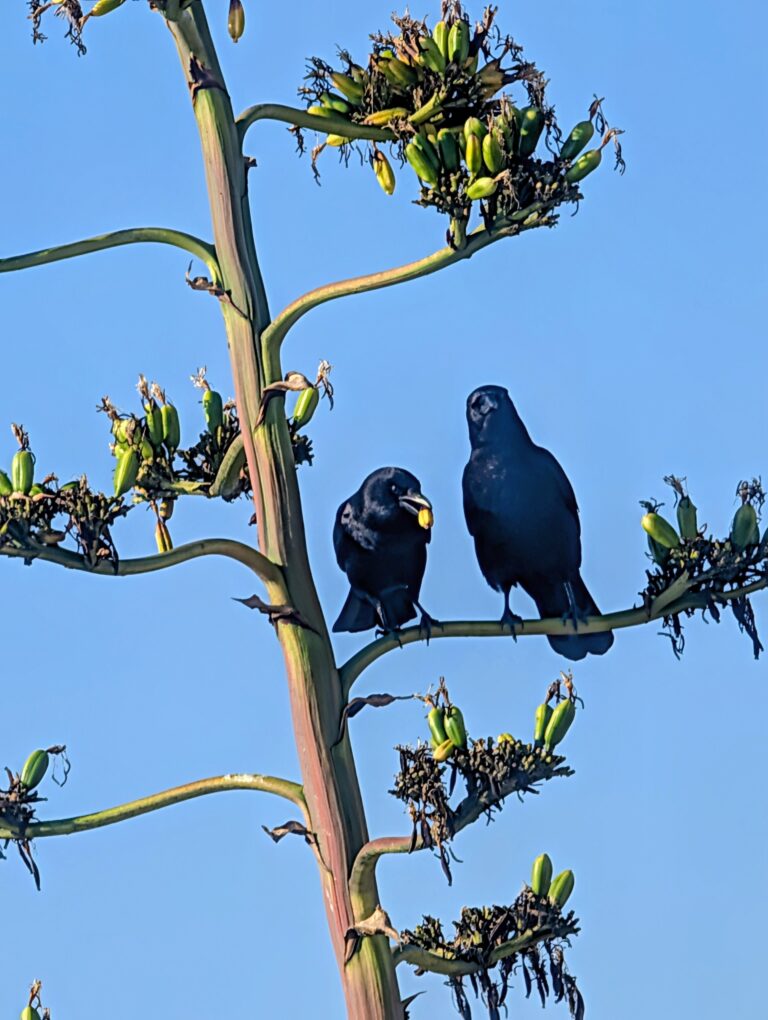
Although the bed and breakfast provides binoculars, it’s best to bring your own if you have a good pair. However, many birds and mammals are easily visible without binoculars. The island is home to Anna’s Hummingbirds, Heerman Gulls, Western Gulls, Elegant Terns, Black Phoebe, Yellow-rumped Warbler, House Finch, Black Oystercatcher, and Common Raven. Nearby West Brother Island is a rookery for Brown Pelican, Double-crested Cormorants, Brandt’s Cormorants, and gull species. Turkey vultures and wild turkeys are also seasonal visitors. Mammals observed in the surrounding waters include Harbor Seals, Sea Lions, and Harbor Porpoise.
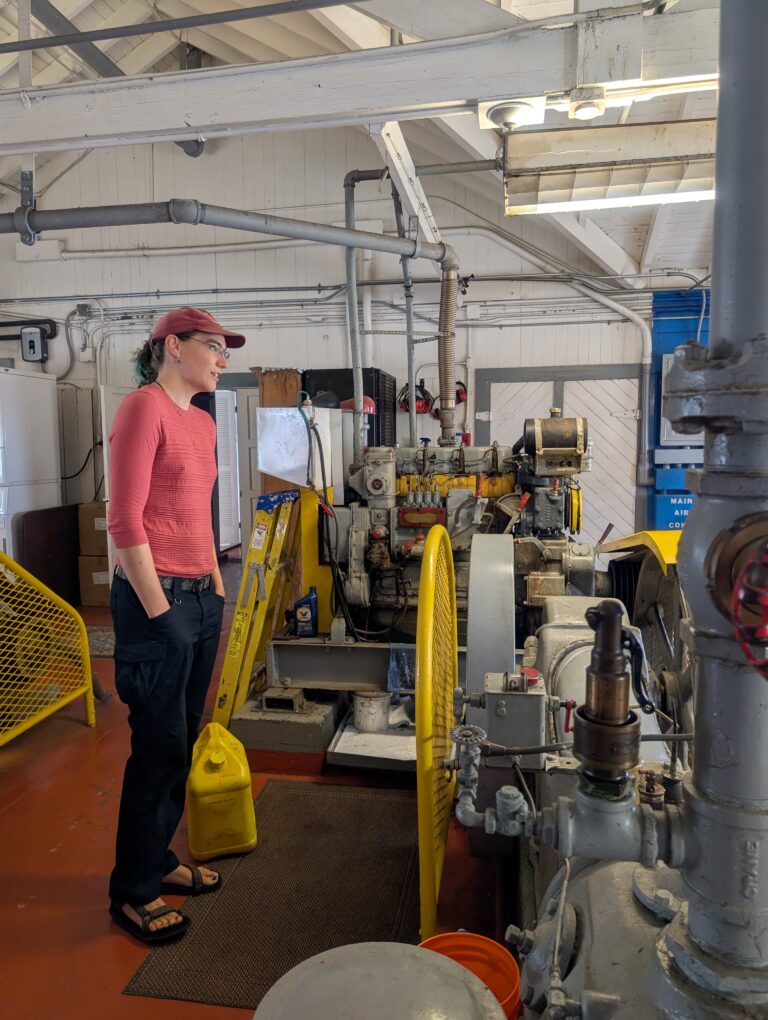
Historically, all lighthouses, including East Brother, had permanent residents. Back in the day, there was no such thing as commuting to the lighthouse. When they used whale oil and kerosene, they had to trim the wick every two hours – so the work was nonstop. They had supplies delivered, but harvested rainwater, which was also important for creating steam for the foghorn. They didn’t have electricity, but in 1934, East Brother had a submarine cable installed to provide mainland electricity, replacing the original kerosene lamps. The operational foghorn at East Brother Light Station is an electronic, solar-powered device that replaced the historic, high-maintenance diaphone system. The original, mechanical 1920s-era diesel-powered air compressor system is no longer the official foghorn but is typically fired up and demonstrated for all guests. Be sure to cover your ears. The lighthouse is still a functioning aid to navigation, but the Fresnel lens was replaced by a modern LED light.
Today, the island is managed by innkeepers who make at least a two-year commitment to serve. A tour and history of the island is provided to all visitors. The three-quarters of an acre provide little room to roam, but will still provide ample activities to walk or simply breath.
Side note: Point San Pablo Harbor is a destination unto itself. Food, music, views of the bay, and an eclectic collection of interactive art from Burning Man.
